
 Character Options
 LEGO
LEGO Flair Leisure
 Hasbro
 Mattel
 MGA
MGA Moose
Moose Spin Master
 Vtech Electronics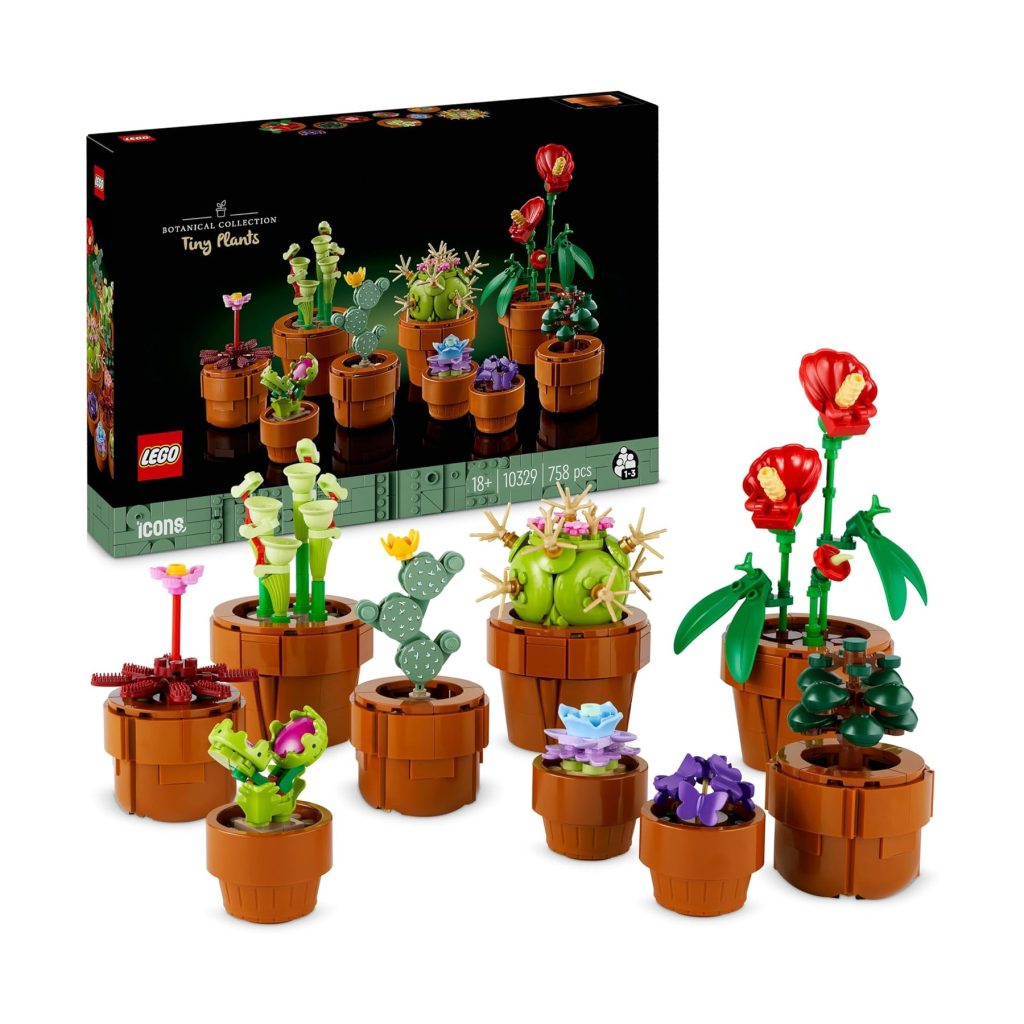
Tiny Plants LEGO Parent Guide
Tiny Plants LEGO Parent Guide
This Tiny Plants LEGO Parent Guide offers parents clear, practical support with setup, building steps, display options, safety, troubleshooting and storage. For full product details, visit our main Tiny Plants LEGO page, or explore hands-on impressions in our Tiny Plants LEGO review.
What’s in the Box
A typical Tiny Plants set includes several buildable miniature plant models, themed pots or bases, decorative tiles, structural bricks and a detailed instruction booklet. Some editions include extra pieces for small flourishes or alternative display arrangements. Families who enjoy creative builds and decorative LEGO models can explore related items through the LEGO brand page, where botanical and display-focused sets are featured.
How It Works
The Tiny Plants LEGO Parent Guide explains how children assemble each miniature plant step by step. Each model begins with a small internal core made from structural elements, followed by layered decorative pieces that mimic leaves, stems or petals. Children follow the instruction booklet to identify piece shapes, align parts correctly and create each plant’s signature form.
The set encourages calm, focused building. Each plant requires a short sequence of steps, making it ideal for children who enjoy completing small projects in one sitting. Older children often enjoy predicting how shapes will form as they build higher, while younger children take pride in seeing each stage turn into a recognisable plant.
Because the models are compact, they are well-suited to builders who prefer manageable projects rather than lengthy builds. The finished plants can be displayed together as a group, arranged on shelves or used to decorate a workspace. Their size also makes them easy to transport for children who like showing completed projects to friends or family.
Setup, Space & Batteries
No batteries are required. To begin, choose a clear table or desk with good lighting. Lay out the bricks and organise them by colour or size if your child finds this helpful. While the pieces are small, they tend to stay manageable when placed in shallow containers or bowls.
Younger children may benefit from adult support when identifying similar-looking pieces. LEGO’s botanical lines often include unusual shapes that can appear similar at a glance. Demonstrating how to check part numbers or compare shapes helps build confidence.
If multiple children are building together, assign each child a plant to assemble. This helps minimise competition and creates opportunities for teamwork as they compare finished models.
Best Age Range & Suitability
This set is well suited for children who enjoy creative building, decorative crafts or small-scale construction. Many families find it ideal for ages 7–12. Younger children can join with supervision, especially during steps that involve aligning small angled pieces.
The Tiny Plants set supports spatial reasoning, fine motor skills and attention to detail. Children who enjoy calm, independent play often appreciate the focused nature of building miniature models. Those who prefer expressive or imaginative play may incorporate the plants into scenes or small worlds created from other bricks.
For children who are new to LEGO, this set provides a gentle introduction due to the manageable size of each build. Meanwhile, experienced builders appreciate the clever techniques used to create organic shapes.
Safety Notes
The set contains many small elements that should be kept away from younger siblings. Supervise children who may place pieces in their mouths. Ensure the building area is tidy to prevent slipping hazards or accidental ingestion of dropped parts.
Do not force pieces together at incorrect angles, as this may cause strain or cracking. If your child struggles with separating pieces, demonstrate how to use a LEGO brick separator tool or gently assist to avoid fingernail strain.
Finished models should be handled carefully. While decorative, they contain protruding elements that may detach if squeezed or dropped. Encourage children to display models in a safe place once complete.
Durability, Cleaning & Storage
Once assembled, Tiny Plants models are sturdy enough for gentle handling but are primarily intended for display. To clean, dust lightly with a soft brush or dry cloth. Avoid using moisture, especially on stickered or printed pieces.
Store spare pieces in a labelled bag for future repairs. If your child wishes to rebuild models later, keep the instruction booklet in a safe place or consider downloading a digital copy from LEGO’s official instructions archive.
If the set must be dismantled for storage, separate pieces by largest components to simplify rebuilding. However, many families choose to keep the plants assembled due to their decorative value.
Common Issues & Troubleshooting
- Pieces not fitting: Ensure the correct part is being used; some botanical pieces look similar but curve differently.
- Models leaning or tilting: Check that internal core structures are aligned tightly and that bases are fully pressed together.
- Small elements detaching easily: Re-seat pieces firmly and avoid holding models by delicate stems or leaves.
- Difficulty identifying colours: Build in good lighting, as some greens and browns may appear similar.
- Missing pieces: Check packaging and the surrounding area; LEGO often includes spare small elements.
Tips
To get the most from this Tiny Plants LEGO Parent Guide, encourage children to build one plant at a time. Completing each miniature model provides a sense of achievement, especially for younger or less experienced builders.
Families often enjoy displaying the plants in groupings, such as arranging them by colour, height or theme. If your child enjoys decorating their desk or bedroom shelves, the finished models add a personalised touch. Taking photos of completed builds can help children track progress and share their creations with others.
Some children use the plants as decorative pieces within larger LEGO worlds they build. This encourages creativity and helps the set integrate smoothly into wider play patterns.
Alternatives
Families who enjoy decorative LEGO sets may also appreciate the larger botanical collection, including flowers, succulents or bonsai-style builds. For children who prefer dynamic play, traditional LEGO sets involving vehicles or characters may be more suitable. For younger children, simpler sets with fewer small pieces provide a gentler introduction to building skills.
Quick FAQs
- Q: What age range is the Tiny Plants set best for?
A: Many families find it ideal for ages 7–12. - Q: Does the set require batteries?
A: No—this is a fully manual building experience. - Q: Are the plants playable?
A: They are primarily for display, though gentle handling is fine. - Q: How do we clean them?
A: Dust with a soft brush; avoid moisture. - Q: Can pieces be reused for other builds?
A: Yes—parts are compatible with standard LEGO bricks.
Where Next?
For details beyond this Tiny Plants LEGO Parent Guide, explore our main Tiny Plants LEGO page. For pros, cons and deeper impressions, visit our Tiny Plants LEGO review.
Some links on our site are affiliate links. If you buy through them, we may earn a small commission — at no extra cost to you. 🎄