
 Character Options
 LEGO
LEGO Flair Leisure
 Hasbro
 Mattel
 MGA
MGA Moose
Moose Spin Master
 Vtech Electronics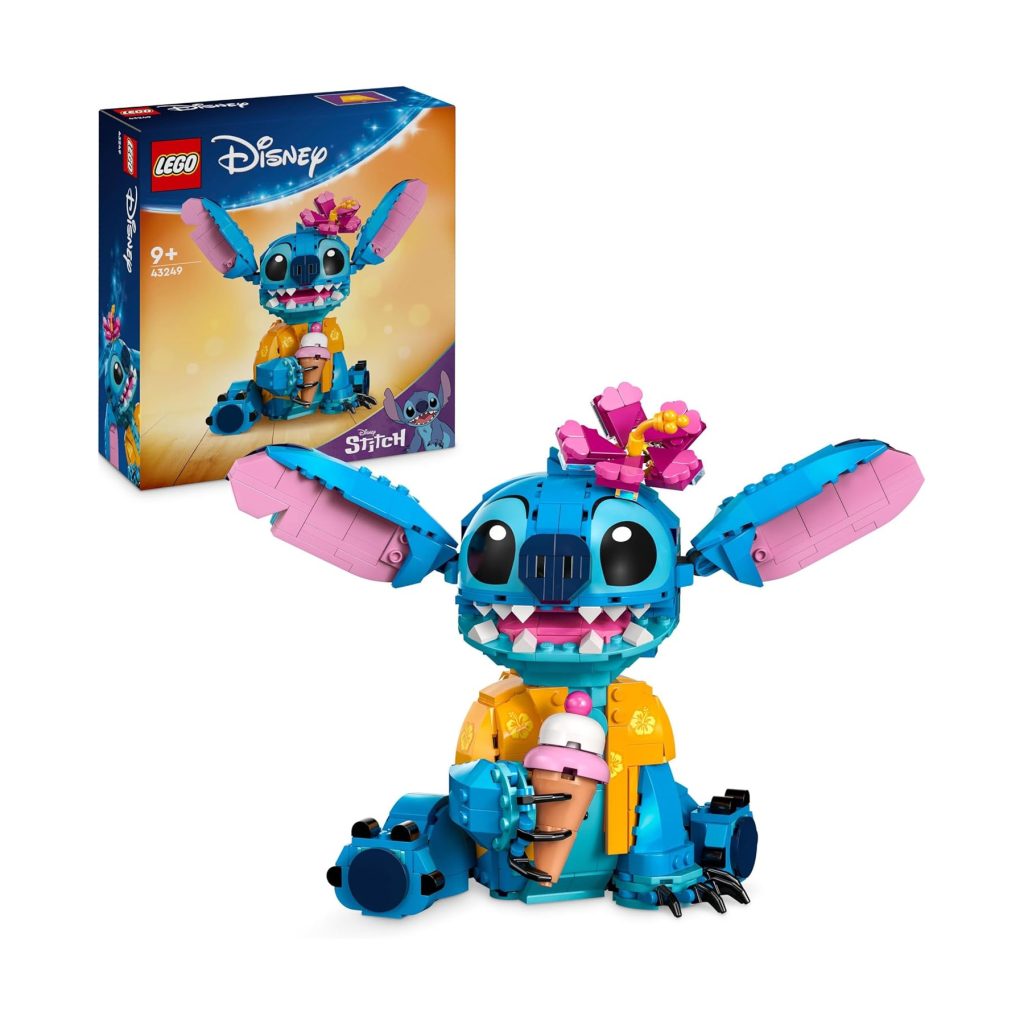
LEGO Stitch Parent Guide
LEGO Stitch Parent Guide
This LEGO Stitch Parent Guide gives parents clear, practical guidance around setup, building, safety, suitability, troubleshooting and storage. For full product details, visit our main LEGO Stitch page, or explore hands-on impressions in our LEGO Stitch review.
What’s in the Box
A typical LEGO Stitch set includes character bricks, decorative tiles, a buildable base or stand, accessory elements and a detailed instruction booklet. Some versions include interchangeable facial expressions or removable pieces for pose changes. Families who enjoy character-based builds can explore additional options through the LEGO brand page, where compatible display sets and themed models are available.
How It Works
The LEGO Stitch Parent Guide helps families understand the building process and what to expect during assembly. Children follow step-by-step illustrated instructions, gradually constructing the Stitch figure from core interior shapes to exterior details. Early sections focus on foundational structures that support the model’s shape, while later steps add recognisable features such as the face, ears, limbs and accessories.
Many children enjoy the sculptural aspect of character builds, where small angled pieces create the illusion of curves and expressions. As the build progresses, children learn how different brick types connect to form complex shapes. Older children may take pride in identifying unusual piece types or predicting how certain sections will fit together.
This set encourages attention to detail, spatial reasoning and patience. For younger builders, the model’s personality helps maintain engagement, especially during longer building sessions. Families often build Stitch in stages, pausing naturally between instruction book sections to keep the process enjoyable.
Setup, Space & Batteries
The set does not require batteries. Choose a clear, well-lit table or floor area with enough space to sort bricks and spread out instructions. Using small bowls or containers to separate bricks by colour or size can help children stay organised and reduce searching time. Before starting, ensure that all pieces are present and that the building area is free from clutter.
Good lighting is especially important for distinguishing between similar colours. If multiple children are building together, consider assigning each child a portion of the instructions or having them alternate steps to avoid confusion or disagreements. Encourage children to build slowly and review each step carefully, as character sets often rely on precise placement for correct shaping.
Best Age Range & Suitability
The LEGO Stitch set suits children who enjoy character models, display pieces or creative building. Many families find it ideal for ages 7–12, though younger children can participate with adult guidance. Children who appreciate sculptural detail or enjoy collecting themed figures will likely be drawn to this set.
Because the model is intended as a display piece, it particularly suits children who enjoy careful, focused building rather than fast-paced play. The set supports perseverance, fine motor skills and the ability to follow multi-step instructions. For children who become overwhelmed by detailed builds, parents can help by breaking the project into short sessions or by pre-sorting certain pieces.
Safety Notes
As with all LEGO sets, supervision is recommended for younger siblings due to small pieces. Ensure children do not force bricks together at incorrect angles, as this can strain hands or damage pieces. If bricks become difficult to separate, use a brick separator tool rather than fingers to avoid pinching or bending elements.
Encourage children to keep the building area tidy to prevent slipping hazards. Do not allow children to place pieces in their mouths, and check under furniture after sessions to ensure no loose pieces remain accessible to pets or young siblings.
Durability, Cleaning & Storage
Once built, Stitch is durable enough for light handling but is primarily intended for display. If children wish to reposition arms or accessories, encourage slow, gentle movements to avoid loosening internal sections. If the build accumulates dust, a soft brush or dry cloth works well to clean small crevices.
For storage, keep the model on a shelf or desk away from strong sunlight, which can fade colours. Spare pieces can be stored in a labelled bag for future repairs. If the set is ever dismantled, store bricks by category or colour to make rebuilding easier, or keep the model partially assembled to preserve more complex sections.
Common Issues & Troubleshooting
- Incorrect shaping: Review earlier steps to ensure angled pieces are placed correctly. Even a single misplaced tile can alter the model’s expression or structure.
- Loose sections: Press bricks gently but firmly together. Reinforce hidden interior points if they appear misaligned.
- Difficulty following instructions: Break the session into smaller segments and encourage children to check each step before moving on.
- Model feels fragile: Some character builds rely on decorative outer shells. Support structures by holding the model at its centre rather than at limbs.
- Missing pieces: Check packaging, the floor and bowls used for sorting. LEGO often includes spare small elements for convenience.
Tips
To get the most from this LEGO Stitch Parent Guide, encourage children to enjoy the sculptural nature of the build rather than rushing to complete it. Pointing out how certain pieces help shape Stitch’s expression or pose can deepen engagement. Younger children may benefit from pairing steps—one reads instructions while the other finds pieces—making building feel collaborative.
Some families like to create small display environments for character builds, such as placing Stitch near bookshelves or themed decorations. If your child enjoys customisation, allow them to experiment with accessories or minor modifications once the main build is complete. This helps extend play and supports creativity.
Alternatives
Families who enjoy character models might explore other LEGO BrickHeadz or sculptural sets featuring animals, film characters or fantasy creatures. For children who prefer free-form building, classic brick boxes provide open-ended possibilities. For those who enjoy mechanical functions, LEGO Technic sets offer a more engineering-focused alternative.
Quick FAQs
- Q: What age is this set best for?
A: Many families find it ideal for ages 7–12, with younger children benefiting from guidance. - Q: Is it a play toy or display piece?
A: Primarily display-focused, with light posing supported. - Q: Are stickers included?
A: Some editions include decorative tiles or stickers; follow the instructions for correct placement. - Q: What if the model looks uneven?
A: Revisit earlier steps to check for misaligned or reversed pieces. - Q: Can it be cleaned safely?
A: Yes—use a dry cloth or soft brush to remove dust without moisture.
Where Next?
For details beyond this LEGO Stitch Parent Guide, explore our main LEGO Stitch page. For pros, cons and deeper impressions, visit our LEGO Stitch review.
Some links on our site are affiliate links. If you buy through them, we may earn a small commission — at no extra cost to you. 🎄