
 Character Options
 LEGO
LEGO Flair Leisure
 Hasbro
 Mattel
 MGA
MGA Moose
Moose Spin Master
 Vtech Electronics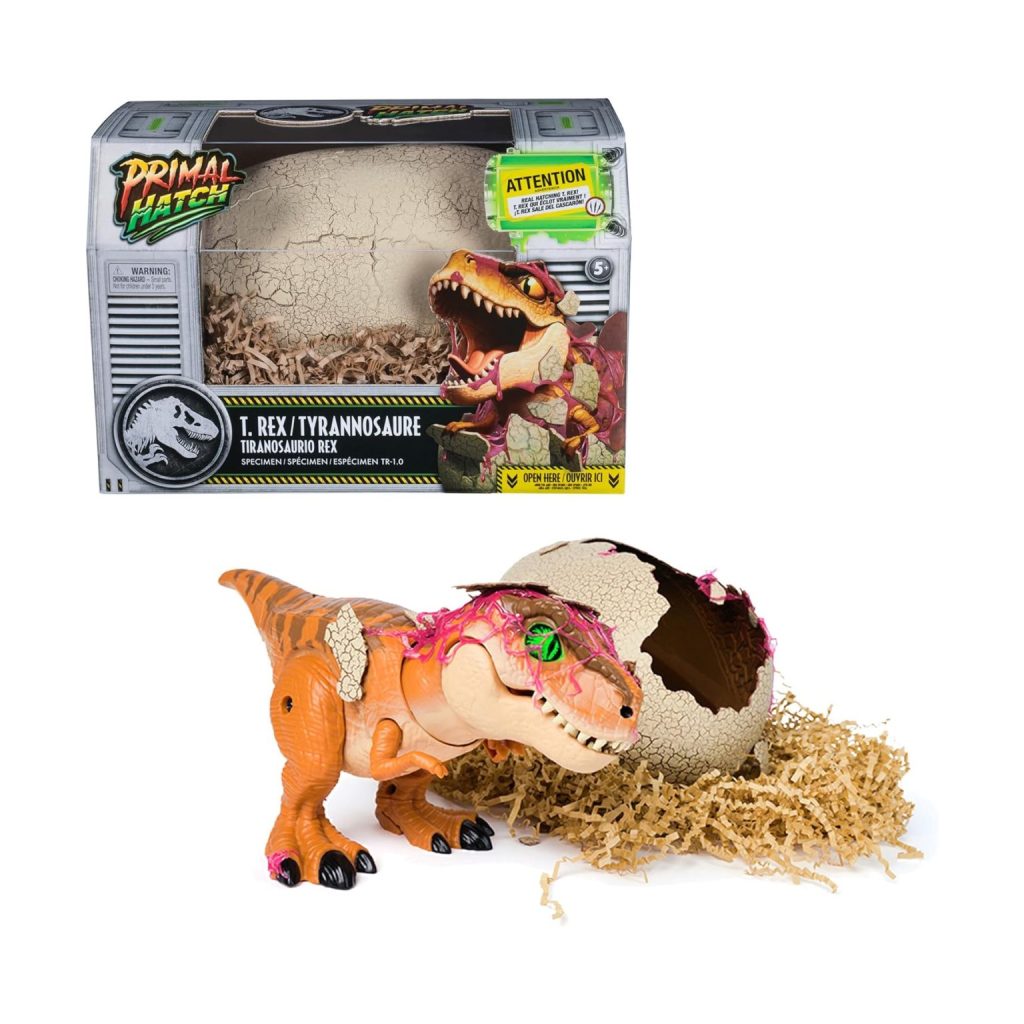
Hatching Dino Parent Guide
Hatching Dino Parent Guide
Hatching Dino Parent Guide provides parents with a clear overview of how this interactive dinosaur egg works during everyday home play. This guide covers setup, age suitability, troubleshooting, safety notes, cleaning, storage and the learning value behind the hatching experience, giving families confidence before and after unboxing. The goal is to support a smooth, predictable play session while helping children enjoy the magic of watching their dinosaur emerge.
What’s in the Box
The Hatching Dino set typically includes a dinosaur egg shell, an internal hatching mechanism, a small dinosaur figure that emerges during activation and an instruction leaflet. Some versions also include themed accessories or decorative elements that enhance the reveal experience. All components are designed to work together during the hatching sequence, with the egg acting as both a container and a performance stage.
Parents who want background information on the wider product line can explore the Spin Master brand page. This helps families better understand how the Hatching Dino fits alongside other interactive creature toys from the same manufacturer.
How It Works
While preparing this Hatching Dino Parent Guide, we focused on how children interact with the egg throughout the entire hatching process. Once activated, the internal mechanism creates movement inside the shell—tapping, shaking or cracking motions depending on the model. These actions slowly reveal the dinosaur figure as the shell opens or breaks apart. Children often feel a strong sense of anticipation as they watch the egg respond to touch, sound or gentle encouragement.
After hatching, the small dinosaur figure typically offers simple interactive features such as light movement, sounds or basic reactions, depending on the edition. Children enjoy repeating the reveal sequence where possible or using the dinosaur in imaginative play settings once the hatching moment has finished. The combination of suspense and hands-on interaction keeps children engaged throughout multiple sessions.
Setup, Space & Batteries
Setup is straightforward but may require parental supervision for the first use. Parents should check the instruction leaflet to understand how the hatching trigger works—usually a simple switch, button or sequence involving tapping or holding the egg. Most versions require batteries for movement or sound, so installing fresh batteries ensures a smooth reveal.
The egg should be placed on a flat, stable surface where it cannot roll off edges or wobble excessively. A table, wooden floor or play mat works well. Avoid soft, uneven surfaces where the egg may sink or lose balance. Because the hatching process involves small movements and sound cues, a quieter environment helps children observe and enjoy every stage.
Best Age Range & Suitability
The toy is generally recommended for children aged 5 and up. Younger children enjoy the spectacle of the hatching process but may need help understanding the steps involved. Older children engage more deeply, especially if they enjoy dinosaurs, creature collecting or surprise reveals. The dinosaur figure that emerges is typically durable enough for imaginative play, making it appealing well beyond the initial reveal.
This toy works well for individual play but also supports shared moments between siblings. Many families find that children enjoy gathering around the egg to “witness” the hatching together, creating a small event or routine. Once the dinosaur is out, children often assign names, personalities or storylines that keep the toy relevant across multiple days of play.
Safety Notes
Parents should supervise the hatching process for younger children, particularly during the cracking phase. While the shell is designed to open safely, children should avoid pulling it apart forcefully during the sequence. Small fragments or accessories should be stored carefully after play to prevent younger siblings from accessing them.
The internal mechanism includes moving parts, so children should not insert fingers inside the shell while the toy is active. Keep the egg away from water sources, pets and areas where it may fall from height. If the shell becomes damaged, discontinue the hatching sequence to avoid jamming or strain on the mechanism.
Durability, Cleaning & Storage
The egg shell is made from strong plastic designed to crack in a controlled manner. With normal handling, it remains intact for repeated use if the toy allows re-hatching, depending on the model. The dinosaur figure is typically sturdy and suited to everyday imaginative play. However, rough handling or bending limbs beyond their intended range may affect movement or sound features.
Cleaning is simple: wipe the egg and dinosaur with a damp cloth and allow everything to dry fully before reassembling or storing. Avoid soaking any component. For storage, keep all pieces together in a box or on a shelf away from direct heat. If the egg allows reassembly, store it partly open to prevent tension on closing mechanisms. Remove batteries during long breaks to prevent leakage and maintain long-term performance.
Common Issues & Troubleshooting
Egg not hatching: Check battery installation and confirm the activation trigger has been engaged correctly. Gently tapping the top or sides may help sensors detect interaction.
Shell opening unevenly: Ensure the egg is on a completely flat surface. Uneven flooring may cause pressure imbalance during the cracking phase.
Dinosaur not responding after hatching: Replace batteries or reset the toy if a reset feature is provided. Dust around sensors may affect responsiveness and can be wiped gently.
Tips
This Hatching Dino Parent Guide is most useful when families treat the hatching moment as a small event. Children enjoy counting down, creating a “nest” around the egg or taking turns tapping it. These small rituals deepen engagement and give the toy emotional significance beyond the mechanics.
Parents can also support ongoing imaginative play by encouraging children to create habitats, stories or daily routines for their dinosaur. Rotating the dinosaur between play areas—such as the bedroom, playroom or reading corner—helps maintain excitement long after the initial hatching moment.
Alternatives
Families who enjoy surprise-reveal creature toys may also like other hatching eggs, dig-and-discover kits or creature-themed collectibles. These options maintain the sense of anticipation while offering varied textures and reveal styles. Some alternatives focus on gentle sensory exploration, while others emphasise action-based play.
For children who prefer more interactive features, robotic dinosaurs or motion-activated creatures may provide deeper engagement. For those who enjoy quieter imaginative play, simple dinosaur figures or themed building sets may offer longer-lasting storytelling potential.
Quick FAQs
Is hatching reusable?
Some models allow partial reassembly, though this varies. Check the instructions for your version.
What age is it best for?
Generally 5+, with supervision for younger children.
Does it require batteries?
Yes. Fresh batteries help ensure a smooth and predictable hatching sequence.
Is it messy?
No. The reveal process is clean and self-contained.
What does the Hatching Dino Parent Guide cover?
Setup, safety, troubleshooting, durability and tips for extending imaginative play.
Where Next?
Explore full product details on the Hatching Dino page.
For hands-on insights and extended observations, visit the Hatching Dino Review.
Some links on our site are affiliate links. If you buy through them, we may earn a small commission — at no extra cost to you. 🎄