
 Character Options
 LEGO
LEGO Flair Leisure
 Hasbro
 Mattel
 MGA
MGA Moose
Moose Spin Master
 Vtech Electronics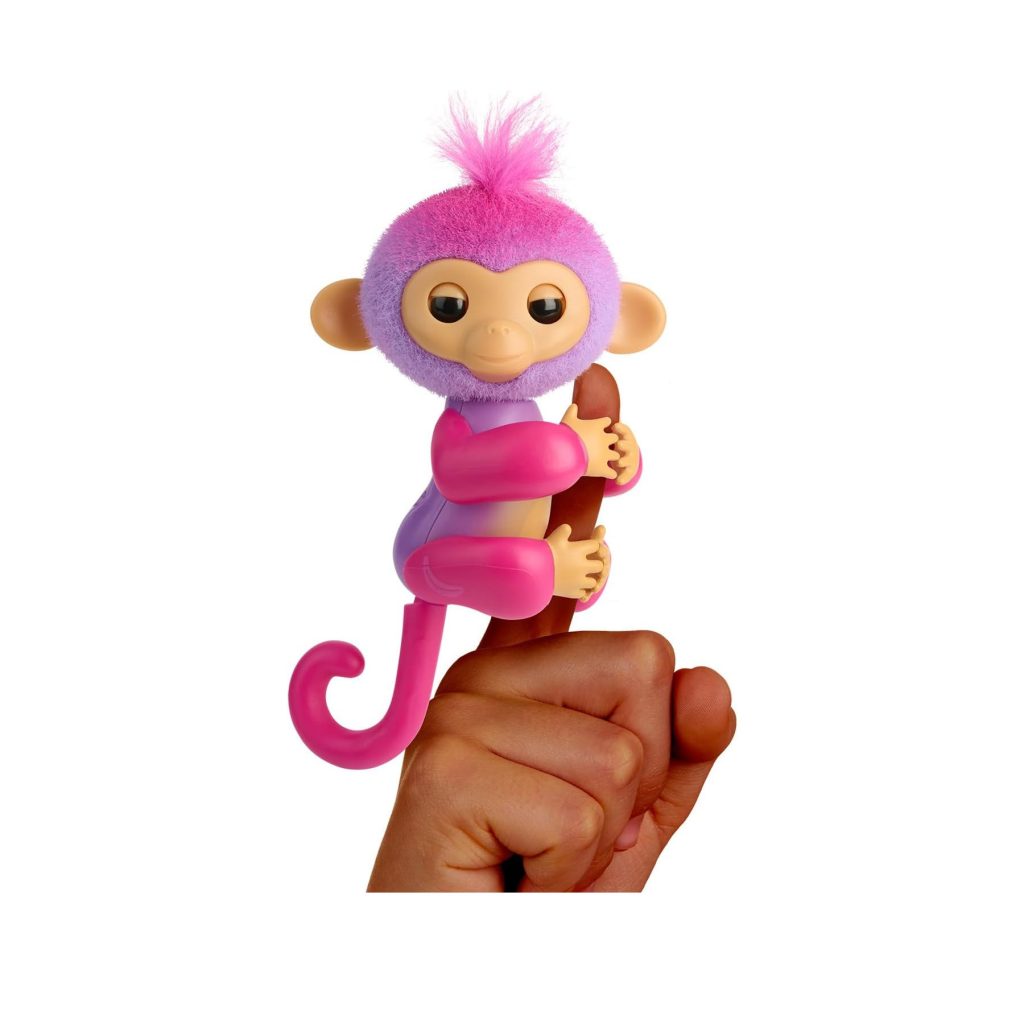
Fingerlings Monkeys Parent Guide
Fingerlings Monkeys Parent Guide
This Fingerlings Monkeys Parent Guide offers clear, calm advice to support parents with setup, safety, suitability and troubleshooting. For full product details, visit our main Fingerlings Monkeys page, or explore hands-on impressions in our Fingerlings Monkeys review. The goal is to help families enjoy a smooth, confident first play experience.
What’s in the Box
A Fingerlings Monkeys set typically includes the interactive monkey figure, a small accessory such as a bar or perch, and an instruction leaflet. The figure is designed to cling to a child’s finger, respond to touch and movement, and deliver small sound or motion reactions. Some versions include unique colours, personalities or minor added features, but all share the same fundamental form of interaction. For broader insight into the company and related product ranges, parents may explore the Character Options page. Before beginning play, remove all packaging ties and ensure the monkey’s battery tab—if included—is fully removed.
How It Works
Fingerlings Monkeys use touch, motion and sound sensors to react to children’s actions. Children can stroke the monkey’s head, cradle it upside down, blow kisses or clap to trigger different responses. Some gestures cause the monkey to chirp or giggle, while others make it fall asleep or react playfully. Each interaction is designed to be quick and intuitive. The Fingerlings Monkeys Parent Guide helps parents understand these core reactions so they can support younger children as they learn how to trigger specific behaviours. The monkey’s lightweight design allows children to carry it easily or attach it to a finger, backpack or small accessory.
Setup, Space & Batteries
Most Fingerlings come preloaded with batteries, though some require parents to install or replace them before use. A small screwdriver is typically needed to access the battery compartment. Once activated, the monkey is fully portable and does not require a dedicated play area. Parents may want to begin play in a quieter environment to help children hear the monkey’s responses clearly. If multiple children are playing simultaneously, spacing them out slightly ensures each monkey’s sensors respond accurately. Should the monkey become overly sensitive to noise, switching it off and back on usually resets the sensor response.
Best Age Range & Suitability
Fingerlings Monkeys are recommended for children who enjoy interactive play and toys that respond to touch or motion. They are particularly suited to children in early primary school who appreciate caring for small characters with playful personalities. The toy encourages responsibility through simple nurturing behaviours, such as putting the monkey “to sleep” or calming it when overstimulated. Children who enjoy character-driven play will find opportunities for imaginative storytelling, while those who prefer simple cause-and-effect interactions may enjoy triggering reactions repeatedly. The compact size and easy grip make it well suited for on-the-go play, such as car journeys or waiting rooms.
Safety Notes
Fingerlings Monkeys contain electronic components and should be kept dry at all times. Parents should remind children to avoid pulling on the tail or limbs excessively, as this may damage internal wiring. Younger siblings should not be left alone with the toy due to small battery components. The battery compartment should always be secured tightly after replacement. If the monkey appears warm during extended use, switch it off and allow it to rest. Avoid dropping the toy onto hard surfaces, as repeated impacts may affect the motion sensors or sound output. When carrying it outside, ensure it is attached securely to prevent accidental loss.
Durability, Cleaning & Storage
The toy’s plastic shell and soft hair tuft are designed for everyday handling. Clean the surface with a dry cloth or slightly damp wipe, avoiding moisture around openings or seams. Never submerge the toy in water. The tuft may require occasional gentle brushing with fingers to maintain its appearance. For storage, place the monkey in a small box or drawer, ideally separate from heavier toys that could press against the sensors. Turning the monkey off when not in use preserves battery life and ensures responsive performance during future sessions. If multiple children share the toy, setting simple handling guidelines helps extend its lifespan.
Common Issues & Troubleshooting
If Fingerlings Monkeys stop responding or produce muffled sounds, the batteries may need replacing. If the toy remains unresponsive even with new batteries, check for debris obstructing the sensor areas and ensure the battery compartment is fully closed. Overly sensitive reactions may result from background noise, so moving to a quieter area can help. If the monkey does not cling well to a finger, adjusting the placement—closer to the base of the finger or around a smaller object—often improves grip. Should the monkey appear stuck in a single reaction mode, switching it off and back on typically resets the system.
Tips
Parents can help children explore the full range of interactions by demonstrating a few gestures and allowing children to repeat them. Create simple routines such as “wake-up time,” “playtime” and “bedtime,” which help maintain engagement. Children may enjoy making a small perch or bed for their monkey using household items, encouraging creative play. The Fingerlings Monkeys Parent Guide also suggests encouraging gentle handling to avoid overwhelming the sensors. For families with multiple Fingerlings, assigning each monkey a personality—such as calm, playful or sleepy—can extend storytelling and cooperation during group play sessions.
Alternatives
Families who enjoy the Fingerlings experience may also like other compact interactive pets or electronic companions. Toys that respond to movement, touch or sound—such as small robotic animals or interactive plush figures—offer similar engagement. Children who prefer more expressive reactions may enjoy larger interactive pets, while those who enjoy collecting may gravitate toward themed Fingerlings series or limited-edition characters. For children more interested in nurturing play than electronic features, soft plush animals with simple accessories can provide a quieter, screen-free alternative.
Quick FAQs
Do Fingerlings Monkeys need an app?
No, all interactions occur within the toy.
What age range is best?
Typically early primary years, depending on a child's confidence with interactive toys.
Can the toy get wet?
No—keep it away from water to protect electronics.
Why does the monkey make repeated sounds?
It may be reacting to background noise; move to a quieter space.
Where can parents find more guidance?
Visit our Fingerlings Monkeys page for additional details.
Where Next?
For product details, visit the main Fingerlings Monkeys page.
For hands-on insights, explore our Fingerlings Monkeys review.
Some links on our site are affiliate links. If you buy through them, we may earn a small commission — at no extra cost to you. 🎄