
 Character Options
 LEGO
LEGO Flair Leisure
 Hasbro
 Mattel
 MGA
MGA Moose
Moose Spin Master
 Vtech Electronics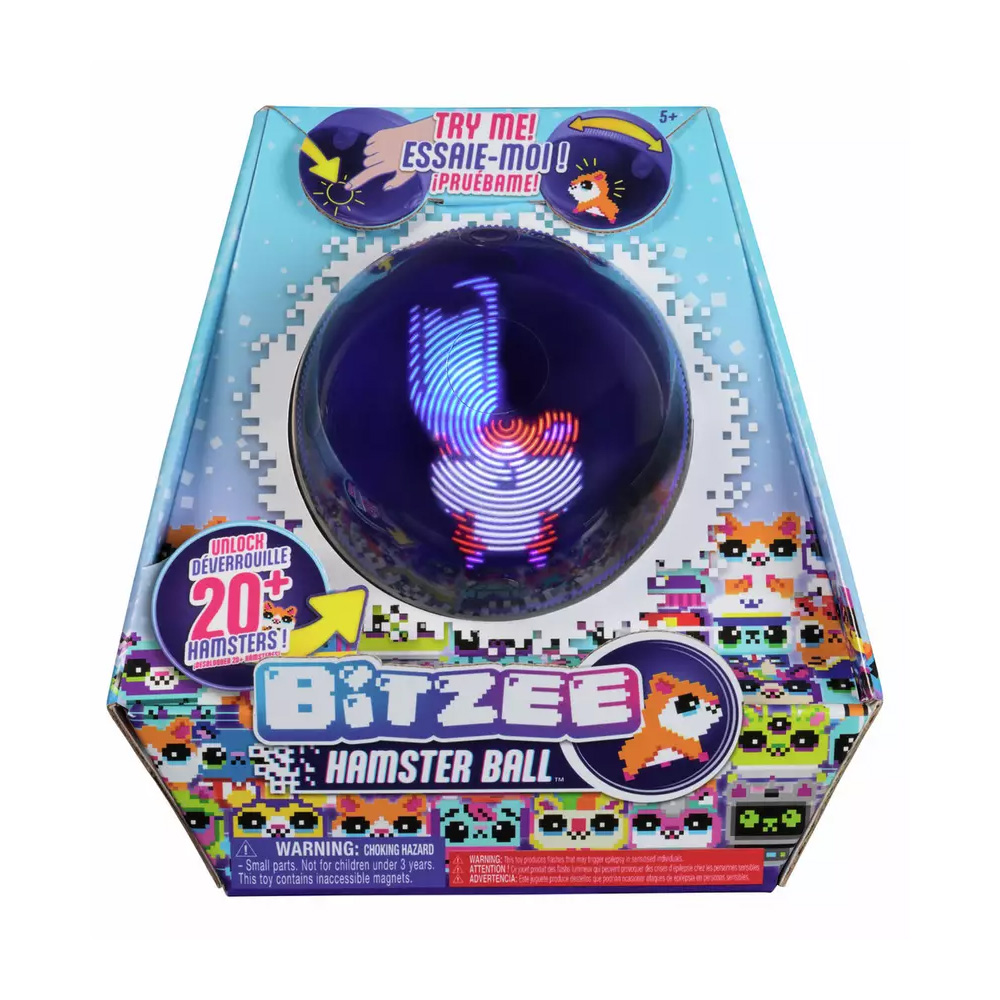
Bitzee Hamster Ball Parent Guide
Bitzee Hamster Ball Parent Guide
Bitzee Hamster Ball Parent Guide supports parents by outlining how this interactive toy works at home, including practical points such as setup, safety, durability, suitability for different ages and how to manage day-to-day use. This guide aims to give families a clear picture of what to expect before and after unboxing.
What’s in the Box
The Bitzee Hamster Ball set typically includes the main electronic hamster, the motorised ball enclosure and an instruction leaflet. The toy is designed so the hamster moves within the ball, rolling across flat surfaces while responding to simple touch or movement cues. Younger children often find the self-propelling motion engaging, and the compact design keeps the footprint manageable.
Parents who want to understand more about the company behind the product can explore the Spin Master brand page. Knowing the manufacturer can be helpful when comparing the toy to other motion-based or interactive items you may already own, particularly those with similar electronic components.
How It Works
While developing this Bitzee Hamster Ball Parent Guide, close attention was given to how children actually interact with the toy. The hamster sits inside a clear rolling ball that moves when the internal mechanism activates. Children can tap the ball, place it on smooth surfaces or gently push it to trigger motion. The toy’s behaviour is intentionally simple, making it easy for younger children to understand and predict.
The hamster’s movements are designed to feel playful rather than fast, supporting calmer interaction. Parents can expect short bursts of activity followed by pauses, which keep sessions manageable. Because the ball remains fully enclosed, children do not need to handle delicate electronics directly, reducing risk of accidental damage during active play.
Setup, Space & Batteries
Setup involves inserting the required batteries into the main unit, securing the battery compartment and placing the hamster into the ball enclosure. The ball should be twisted shut until it clicks to prevent accidental opening. A flat, smooth surface such as laminate, wooden flooring or a play mat works best for consistent rolling.
Most families set aside a small open area—roughly the size of a coffee table or hallway stretch—to allow the ball to roll freely. Avoid playing near stairs, raised thresholds or cluttered flooring. Because the toy uses batteries, parents should periodically check the compartment to ensure the cover remains firmly secured.
Best Age Range & Suitability
The toy is generally best suited for children aged 4 and up who enjoy simple motion-based play. Younger children can enjoy watching the ball roll, but may need help managing start-and-stop behaviour. The lack of complex controls makes it approachable for children who prefer light sensory engagement over structured gameplay.
It works well in mixed-age settings because older siblings can guide younger ones by creating obstacle paths or gentle chase games. The toy is particularly suitable for short play bursts throughout the day rather than long continuous sessions, helping children avoid overstimulation.
Safety Notes
Because the hamster ball moves unpredictably at times, ensure the play area is free from loose objects that could cause tripping. The toy should not be used on elevated surfaces such as tables or desks where it could roll off the edge. If played near pets, supervise closely to prevent animals from batting or biting the ball.
The battery compartment must remain tightly secured. Parents should also check the outer casing for cracks after accidental drops, as damaged plastic edges can become sharp. The ball should never be opened while the internal mechanism is active.
Durability, Cleaning & Storage
The hamster and internal mechanism are designed to withstand gentle knocks, though the toy performs best on smooth surfaces. Rolling on thick carpet may strain the motor or cause inconsistent movement. If the ball becomes scuffed or dusty, a soft cloth with mild soap and water can be used to clean the exterior—avoid moisture near the electronic components inside.
When not in use, the hamster can remain inside the ball or be stored separately in a small container. Removing the batteries during long breaks helps preserve battery life and prevents leakage. Because the toy is compact, it fits easily into drawers, toy bins or shelves without requiring large storage space.
Common Issues & Troubleshooting
Ball not moving smoothly: Check that the surface is flat and that the hamster is seated properly inside the casing. Dust or crumbs under the ball can also affect rolling, so wiping the floor area helps.
Hamster movement is weak or intermittent: Replace the batteries or check that they are inserted correctly. Most motion problems result from low power rather than mechanical issues.
Ball opening during play: Ensure the enclosure is twisted firmly until it clicks. If the locking tabs are worn, consider supervising more closely or adjusting how the toy is handled.
Tips
One helpful way to use this Bitzee Hamster Ball Parent Guide is to introduce structured play ideas. Setting up simple obstacle paths using cushions, books or soft blocks increases engagement while still keeping the activity safe and predictable.
Rotating play environments—such as switching between hallway play, open-plan spaces or small obstacle courses—keeps the toy feeling fresh. Short sessions help preserve battery life and prevent the motor from overheating during extended use.
Alternatives
Families who enjoy motion-based toys may also like rolling pets, bump-and-go vehicles or simple motorised animals from other brands. These provide similar cause-and-effect play styles while varying in speed, sound and surface compatibility.
If your child prefers tactile or imaginative play, consider plush interactive pets or low-noise sensory toys that respond to touch rather than movement. Matching the toy style to your child’s temperament generally results in smoother and more enjoyable sessions.
Quick FAQs
Does the hamster work on all floors?
It performs best on smooth surfaces such as wood, laminate or thin play mats.
Can younger children use it?
Yes, with supervision. The motion is gentle, but the ball should be kept away from stairs or uneven flooring.
Why does the hamster pause?
The mechanism rests briefly between movements. This is normal and helps prevent motor strain.
Does this toy support learning?
Yes. It encourages cause-and-effect understanding, light sensory engagement and gentle physical interaction.
What does the Bitzee Hamster Ball Parent Guide cover?
It explains setup, suitability, troubleshooting, safety and tips for varied play.
Where Next?
Explore full product details on the Bitzee Hamster Ball page.
For deeper insights and hands-on impressions, visit the Bitzee Hamster Ball Review.
Some links on our site are affiliate links. If you buy through them, we may earn a small commission — at no extra cost to you. 🎄