
 Character Options
 LEGO
LEGO Flair Leisure
 Hasbro
 Mattel
 MGA
MGA Moose
Moose Spin Master
 Vtech Electronics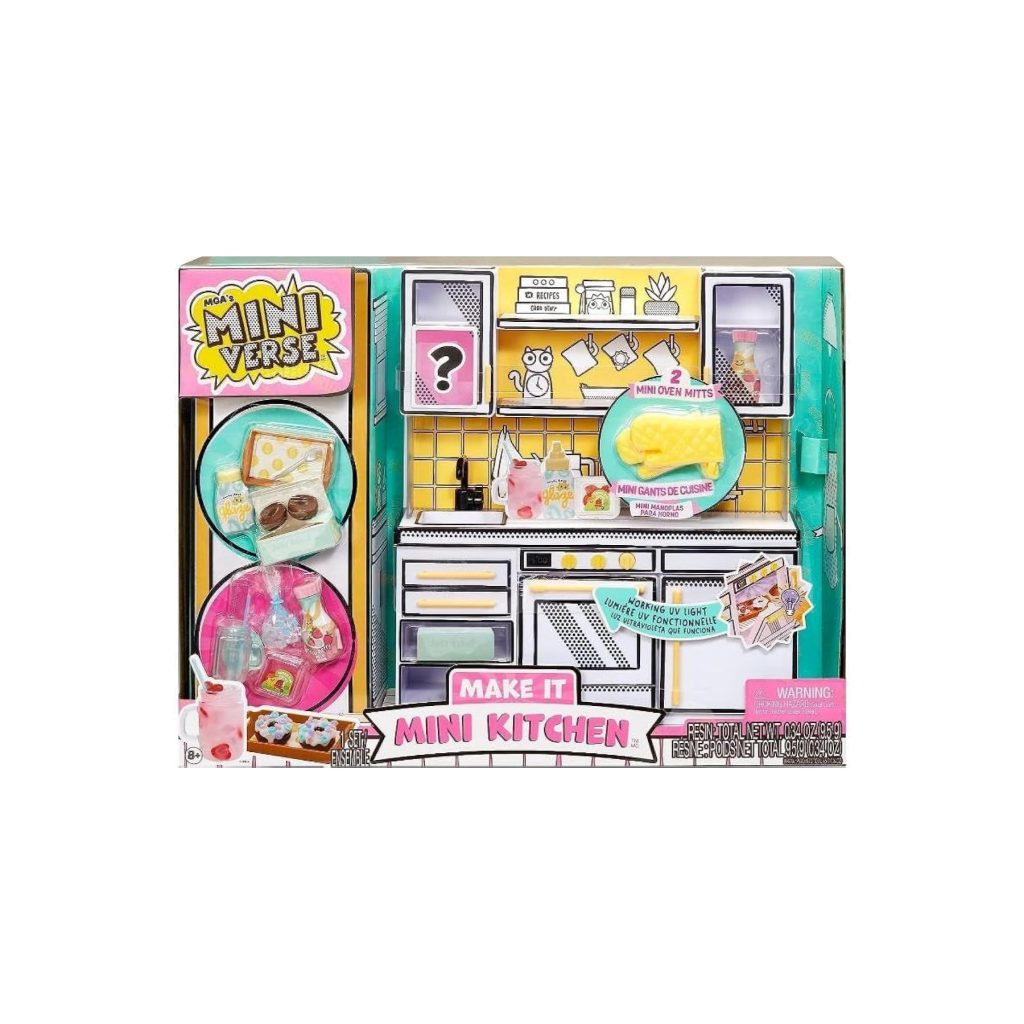
MGA Miniverse Make It Mini Kitchen Parent Guide
Miniverse Make It Mini Kitchen Parent Guide
This Miniverse Make It Mini Kitchen Parent Guide offers calm, practical guidance for parents on setup, safety, suitability and troubleshooting. For full product details, visit our main Miniverse Make It Mini Kitchen page, or explore hands-on impressions in our Miniverse Make It Mini Kitchen review. The aim is to support families through a smooth and enjoyable first crafting session.
What’s in the Box
The Miniverse Make It Mini Kitchen typically includes miniature food components, resin-based crafting materials, tiny utensils, a small kitchen scene or display area and an instruction leaflet. Depending on the assortment, children may find themed items such as mini plates, cups, moulded ingredients or decorative elements. Each piece is designed for precision crafting and display rather than active play. Families looking for a broader view of the brand may explore the MGA page. Before beginning, parents should lay out all components and confirm that resin elements remain sealed until needed.
How It Works
The Miniverse Make It Mini Kitchen follows a simple craft-and-cure system. Children combine miniature ingredients—such as faux sauces, “baked goods” or layered drinks—using resin that cures when exposed to sunlight or a UV lamp. Once set, the final piece becomes a permanent mini display item. The Miniverse Make It Mini Kitchen Parent Guide supports parents by explaining each crafting step, including mixing, positioning and curing. Younger children often need help applying small quantities of resin precisely and organising ingredients without rushing. The process rewards careful placement and patience, making it enjoyable for children who appreciate detail-oriented creative tasks.
Setup, Space & Batteries
The crafting process works best on a clean, covered surface. Parents should place a mat, tray or sheet beneath the workspace to prevent resin from touching furniture. Good lighting is important for visibility and curing. If using natural sunlight, choose a window area with consistent exposure. If using a UV lamp, ensure it is placed safely and used only as instructed. No batteries are required unless using optional UV accessories. It helps to organise all miniature components into small bowls or sections before crafting so children can focus on the creative experience without searching for parts mid-step.
Best Age Range & Suitability
This set suits children who enjoy miniatures, arts and crafts, and slow, precise activities. Recommended ages typically align with children in upper primary school, as the resin requires careful handling. Younger children may participate with close supervision, focusing on simple placement tasks. Those who enjoy baking-themed play, dollhouse décor or collectible miniatures often find this kit especially appealing. Because finished pieces become display items rather than toys, the set is ideal for children who enjoy curating shelves or creating small decorative scenes.
Safety Notes
Resin must be handled responsibly. Parents should ensure children use only the amount directed, avoid contact with skin and never place resin near the mouth or face. All crafting should occur in a well-ventilated area, and hands should be washed thoroughly after use. Keep younger siblings and pets away from uncured resin pieces. If resin spills, clean the area immediately using a paper towel and dispose of it safely. Once cured, resin becomes solid and safer to handle. Utensils used during crafting should not be repurposed for food. Store all components securely after the session to avoid accidental misuse.
Durability, Cleaning & Storage
Once cured, the miniature creations are sturdy display pieces but not designed for active play. They should be kept in a dry, dust-free environment. Wipe cured pieces gently with a soft cloth to maintain their shine. To extend the life of the set, store unused resin tubes upright and sealed tightly. Keep miniature utensils in labelled pouches or compartments. The small kitchen display can be stored on a shelf, though parents may wish to place completed pieces behind a clear container to protect them from dust. Avoid storing resin in warm environments, as heat may affect texture.
Common Issues & Troubleshooting
If resin fails to cure, check the strength of the UV light or move the piece to stronger sunlight. Thick layers cure slowly, so applying resin in small amounts helps ensure even setting. If pieces shift before curing, encourage children to stabilise them using tweezers or a gentle hand. Should resin overflow or pool unexpectedly, remove excess with a toothpick or wipe before curing. If children become frustrated by the small scale, encouraging them to pause and regroup helps maintain positive creative focus. When parts appear missing, revisit the packaging, as many accessories are tiny and easily overlooked.
Tips
Parents can support the crafting experience by helping children plan their mini recipe before starting. Laying out ingredients in order of use encourages calm pacing and reduces spills. The Miniverse Make It Mini Kitchen Parent Guide also suggests taking photos of each stage so children can look back on their creations with pride. Tweezers make placement easier for smaller hands, while a small baking tray keeps everything contained. Encourage children to display completed minis somewhere visible to celebrate their work. If multiple children are involved, giving each a dedicated crafting area prevents cross-contamination of resin.
Alternatives
Families who enjoy this set may appreciate other miniature craft kits, dollhouse accessories or resin-based creative sets. Children drawn to tactile crafting may enjoy clay or moulding sets, while those who prefer faster projects may prefer sticker-based or instant-reveal craft kits. For young fans of kitchen themes, pretend-baking playsets offer a screen-free way to enjoy culinary creativity without resin. Collectors may also gravitate toward display-focused miniature sets that require assembly rather than crafting.
Quick FAQs
Is the resin safe?
Yes when used correctly, with supervision and proper handwashing.
What age is this kit best for?
Typically upper primary ages due to precision required.
Can pieces be undone once cured?
No—resin becomes permanent once set.
Why didn’t my resin cure?
Light exposure may have been insufficient or layers too thick.
Where can parents find more guidance?
Visit our Miniverse Make It Mini Kitchen page.
Where Next?
For product details, visit the main Miniverse Make It Mini Kitchen page.
For hands-on insights, explore our Miniverse Make It Mini Kitchen review.
Some links on our site are affiliate links. If you buy through them, we may earn a small commission — at no extra cost to you. 🎄