
 Character Options
 LEGO
LEGO Flair Leisure
 Hasbro
 Mattel
 MGA
MGA Moose
Moose Spin Master
 Vtech Electronics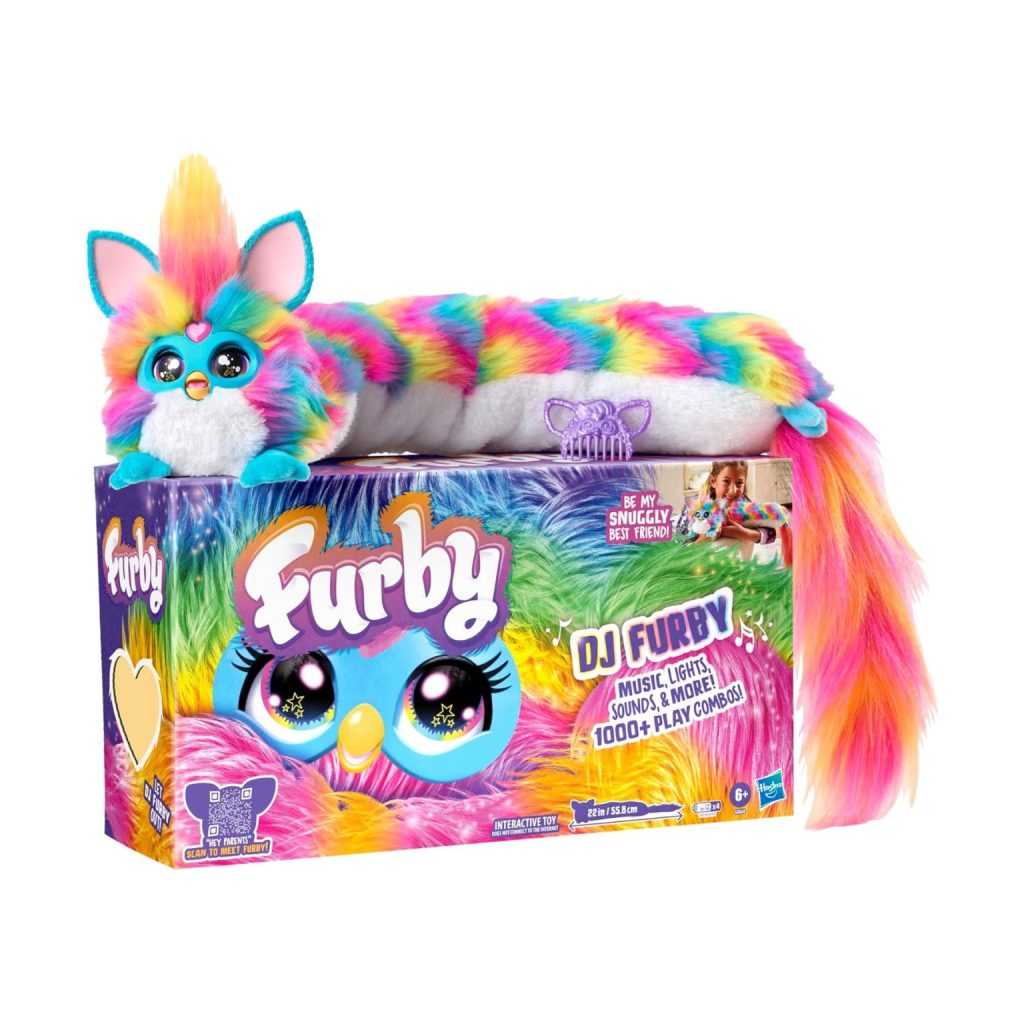
DJ Furby Plush Parent Guide
DJ Furby Plush Parent Guide
DJ Furby Plush Parent Guide gives parents a clear, practical understanding of how this interactive plush toy behaves in daily play. This guide covers setup, sound responsiveness, age suitability, safety, long-term care, common troubleshooting points and tips for encouraging smoother interaction. The goal is to help families support enjoyable, predictable play sessions while understanding the toy’s unique movement and audio features.
What’s in the Box
The DJ Furby Plush set typically includes the Furby character, built-in interactive electronics, a fabric exterior, motion elements, sound detection features and a small instruction leaflet. Some editions may include themed stickers or decorative add-ons, but the core experience is centred around Furby’s movement, reactions and voice-responsive behaviours. The plush is designed to sit upright and activate animations such as head movements, ear wiggles or rhythmic motions based on sound input.
Parents wanting to learn more about the wider product line can explore the Hasbro brand page. Understanding the manufacturer helps families compare Furby with other interactive plush toys Hasbro produces, especially if you already own character-based toys with similar sensor systems.
How It Works
While developing this DJ Furby Plush Parent Guide, the focus was placed on how Furby responds to sound, touch and rhythmic beats. The plush contains internal sensors that detect claps, voice patterns and short bursts of noise. When activated, Furby reacts with movement sequences or sound effects that mimic dancing or musical expressions. Children often enjoy experimenting with different tones, discovering which sounds trigger specific reactions.
The interaction is intentionally simple to encourage intuitive play. There are no complex menus or programmable modes—Furby reacts naturally to what it hears or feels. When placed on a secure surface, motions are smoother and gestures remain stable. Children can speak to Furby, play music or clap to initiate responses, making it suitable for both active and calm play sessions. The unpredictability of reactions adds excitement, while the limited range of movements ensures children can predict Furby’s behaviour after several sessions.
Setup, Space & Batteries
Setup involves inserting batteries into the compartment and ensuring the cover is tightened securely. Fresh batteries are recommended, as low power can affect responsiveness and motion strength. Once activated, Furby typically begins reacting automatically, though some versions include a switch to toggle between modes.
A flat, stable space such as a table, play mat or carpeted floor helps maintain balance during movement. The plush should not be placed near edges where rhythmic motion may cause it to shift. Since Furby relies on sound detection, quieter environments lead to more predictable reactions. Avoid placing Furby next to loud appliances or constant background noise, as this may trigger continuous activation and drain batteries more quickly.
Best Age Range & Suitability
The DJ Furby Plush is best suited for children aged 5 and up who enjoy character-driven interactive toys. Younger children appreciate Furby’s expressive animations and soft feel, while older children often explore more dynamic play by testing rhythms or voices. Furby’s gentle movements and simple responses make it approachable, even for children who may find heavily electronic toys overwhelming.
Siblings frequently enjoy Furby together by taking turns creating sounds, placing Furby in different locations or incorporating the plush into imaginative story scenes. Because interactions take place in short bursts, the toy works well for transitions between activities, offering both high-energy entertainment and quieter observational play.
Safety Notes
Parents should ensure the battery compartment remains firmly closed and that the screws are tightened. Internal mechanisms should not be forced; encourage children to avoid bending ears or limbs aggressively. Though the plush exterior is soft, the internal motor components require gentle handling to maintain proper alignment.
Keep Furby away from water sources, as moisture can damage the sound sensors and motor. Younger children should be supervised to prevent chewing on fabric or pulling at stitching. If pets are present, monitor interactions closely—Furby’s small size and movement patterns may attract unwanted attention.
Durability, Cleaning & Storage
The DJ Furby Plush combines a soft fabric exterior with mechanical components, meaning durability depends on maintaining gentle play. The exterior fabric typically holds up well to everyday handling, though it may show signs of wear after extended use. Furby is not designed for rough play, drops or collisions, as these may misalign internal sensors or reduce movement quality.
Cleaning should be limited to surface-level maintenance using a lightly damp cloth. Avoid detergents, soaking or machine washing. To store Furby, place it upright in a cool, dry location where motor components remain protected. Removing batteries during long storage periods helps prevent leakage and prolongs lifespan. Families often choose to keep Furby on a shelf or inside a toy bin where it remains easily accessible without being compressed.
Common Issues & Troubleshooting
Poor reaction to sound: Try moving Furby to a quieter room. Background noise often interferes with the sensor. Replacing batteries can also restore sensitivity.
Movement feels weak: This is usually due to low battery power. Confirm that batteries are inserted correctly and that the compartment is fully closed.
Furby activates unexpectedly: Sound sensors can pick up vibrations, music or TV noise. Switching to a quieter location or lowering nearby volume levels usually resolves this.
Tips
One helpful way to use this DJ Furby Plush Parent Guide is to vary the types of sound prompts children use. Claps, gentle taps, whispered words or short musical notes often produce different reactions. Encouraging children to experiment helps them understand Furby’s personality and promotes early cause-and-effect learning.
Parents can also introduce character play scenarios—such as dance routines, storylines or simple “DJ sessions” where children play music for Furby. Rotating between active sound play and calm observational moments keeps engagement high and helps children understand the full range of Furby’s responses. If energy levels become too high, placing Furby in a quiet space gives sensors time to reset.
Alternatives
Families who enjoy interactive plush toys may also like talking pets, giggling plush companions or motion-activated character toys. These alternatives offer similar levels of responsiveness while varying sound features, movement styles or character personalities.
For children who prefer more advanced electronics, programmable robotic pets or touch-responsive companions may offer deeper interaction. For those who enjoy soft, comforting toys, simple plush designs without electronic elements may be a better match, especially for bedtime or travel use.
Quick FAQs
Is Furby suitable for toddlers?
Supervision is required. The toy is best suited for children aged 5 and above due to small internal mechanisms.
Why is Furby not responding?
Replace batteries, ensure quiet surroundings and check the sensor area for dust.
Can Furby be washed?
No. Only surface cleaning with a damp cloth is recommended.
Does this support learning?
Yes. Furby encourages sound experimentation, communication and imaginative play.
What does the DJ Furby Plush Parent Guide cover?
Setup, safety, troubleshooting, durability and practical tips for smoother play.
Where Next?
Explore full product details on the DJ Furby Plush page.
For hands-on impressions and extended insights, visit the DJ Furby Plush Review.
Some links on our site are affiliate links. If you buy through them, we may earn a small commission — at no extra cost to you. 🎄