
 Character Options
 LEGO
LEGO Flair Leisure
 Hasbro
 Mattel
 MGA
MGA Moose
Moose Spin Master
 Vtech Electronics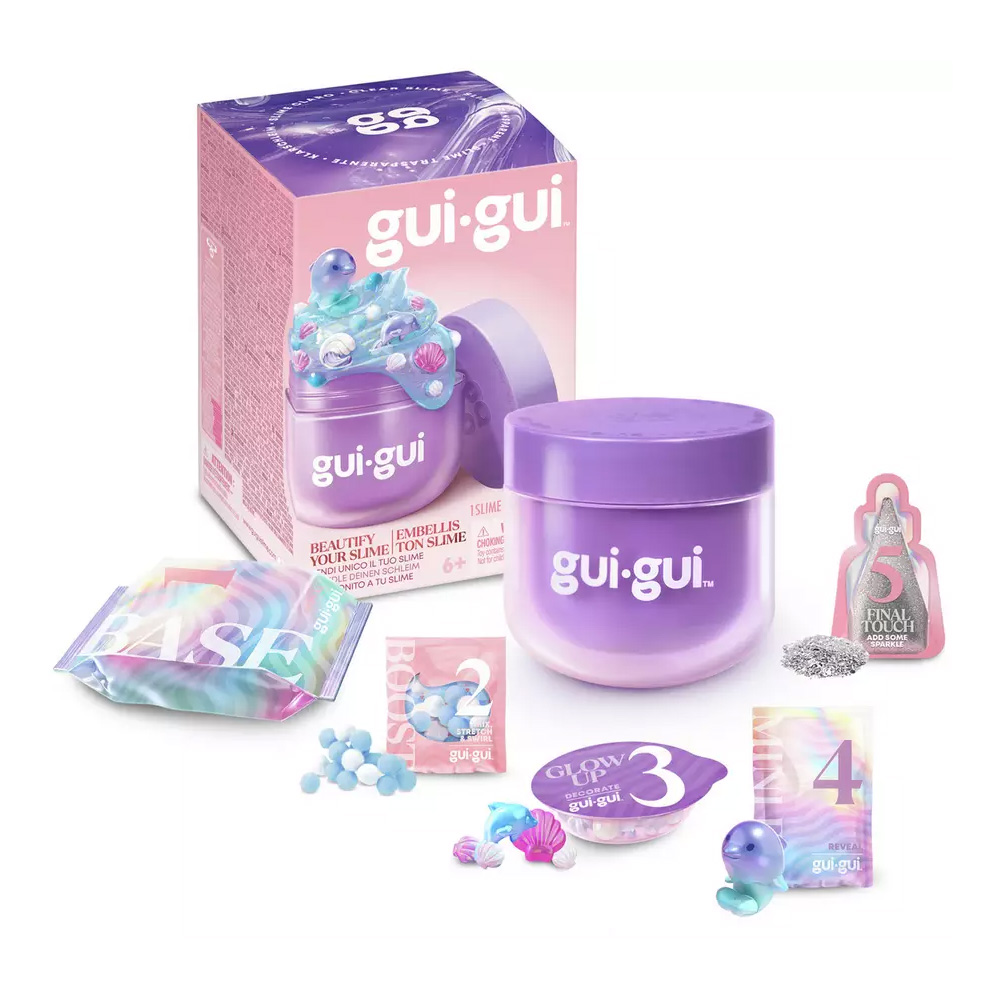
Gui Gui Slime Parent Guide
Gui Gui Slime Parent Guide
Gui Gui Slime Parent Guide gives parents a clear and practical look at how this slime-based creative toy works in everyday home environments. This guide focuses on setup, safety, durability, age suitability, mess-management, storage and troubleshooting so families know exactly what to expect before and after unboxing. The goal is to support confident, frustration-free play while keeping things simple and predictable for children.
What’s in the Box
The Gui Gui Create and Collect Slime set typically includes pre-made slime pods, mix-ins such as glitter or foam beads, themed accessories, character moulds and a small instruction leaflet. Children open the slime compartments, add the decorative elements and mix to customise each slime creation. The system encourages experimentation without requiring complicated steps or tools.
Parents who want more information about the company behind the toy can learn more on the Moose Toys brand page. Understanding the manufacturer helps when comparing Gui Gui to other creative toys from the same range, especially if you already own Moose Toys products with similar textures, characters or collectable features.
How It Works
While developing this Gui Gui Slime Parent Guide, we looked closely at how children engage with the slime textures and accessories. Each pod contains slime ready to use, avoiding the need for chemical mixing or multi-step preparation. Children simply open a pod, choose mix-ins and knead the slime until the decorations are blended. The character moulds or small themed pieces allow children to shape or personalise their creations, supporting imaginative play and sensory exploration.
The slime is intentionally soft and slow-stretching, making it easier for younger children to manipulate without snapping or sticking excessively. Because every pod produces a slightly different result depending on the add-ins used, children naturally begin comparing textures, colours and stretchiness. This sense of discovery keeps them engaged and encourages repeated play sessions, especially when they can display or store their creations afterward.
Setup, Space & Batteries
Setup is minimal. Parents should prepare a clean, flat surface such as a table or washable play mat. Keeping a small bowl or tray nearby helps contain loose mix-ins. Since slime can adhere to fabric, carpets and textured surfaces, a designated workspace prevents unwanted sticking or marks.
No batteries or electronic components are required. However, families may find it helpful to have wipes or a damp cloth ready for quick cleanup. If children are mixing multiple slime pods at once, small containers or resealable bags can help manage creations and keep colours separate. Laying down baking parchment or silicone mats also makes cleanup easier and prevents residue from sticking to furniture.
Best Age Range & Suitability
The Gui Gui Slime set is generally suitable for children aged 5 and up, particularly those who enjoy tactile, hands-on activities. Younger children can join in with supervision, but parents should monitor their handling of small mix-ins and accessories. Slime play supports fine motor skills, hand strength and sensory exploration, making it ideal for children who enjoy squeezing, stretching and shaping materials.
The toy works well for individual creative play but also supports shared sessions where siblings compare creations or trade decorations. Because slime can be divided or combined, children often enjoy exchanging colours or textures. Older children may use the moulds to create structured designs, while younger ones simply enjoy the squishy, sensory feel.
Safety Notes
Parents should ensure that children keep slime away from mouths, hair and fabrics. Although the slime is non-toxic, it is not intended for ingestion. Younger siblings should be supervised closely due to the inclusion of small mix-ins and character pieces. After play, children should wash their hands to remove any residue or sparkles.
To avoid accidental staining, avoid placing slime on untreated wood, cushions, rugs or porous surfaces. Parents should also remind children not to mix slime on clothing, as some colours or glitter may cling to fabrics. Keeping long hair tied back helps prevent tangles if slime is stretched too widely.
Durability, Cleaning & Storage
The durability of the slime depends on how it is stored. When kept in an airtight container or resealable bag, slime generally lasts several weeks before drying out. Mix-ins such as foam beads or glitter may gradually shed during play, so having a small brush or handheld vacuum nearby makes cleanup simpler.
Cleaning the workspace involves wiping down surfaces with a damp cloth. Slime stuck to hands usually comes off easily after a bit of rolling or washing with warm water. For fabric accidents, letting the slime dry fully before gently scraping it off often reduces staining. When not in use, each slime pod or custom creation should be sealed tightly to maintain softness and stretch.
Common Issues & Troubleshooting
Slime becoming too sticky: Knead it longer or add a small amount of a compatible anti-stick agent (often suggested in the instructions). Playing on cooler surfaces also reduces stickiness.
Slime drying out: Seal it in an airtight container. Adding a drop of water and kneading gently can sometimes revive partially dried slime.
Mix-ins falling out: Add them gradually. Overloading slime with dense decorations can prevent proper mixing.
Tips
This Gui Gui Slime Parent Guide works best when children are encouraged to explore textures slowly. Introducing one or two mix-ins at a time helps them appreciate how each decoration changes the sensory feel. Parents can prompt new discoveries by asking how a certain colour or texture behaves when stretched, folded or twisted.
Families may also want to set up themed slime sessions. For example, children can create “sparkle slimes,” “swirl slimes” or “character slimes” based on the included moulds. Rotating add-ins weekly helps keep the activity fresh without needing new sets. For households sensitive to mess, placing a silicone mat under the workspace dramatically reduces cleanup time.
Alternatives
If your child enjoys sensory toys, alternative options include foam doughs, kinetic sand, putties or light clay modelling sets. These provide similar tactile experiences while offering different levels of firmness, stretch and mouldability. Children who prefer more structured craft activities may enjoy jewellery-making kits or small building toys that integrate colour matching and pattern creation.
For those who specifically love slime, larger multi-pod sets or themed expansion kits extend the creative possibilities. Some families also combine slime with small figurines or plastic gems to create imaginative scenes, though supervision is recommended to manage small pieces safely.
Quick FAQs
Is slime safe for younger children?
Yes, under supervision. Keep mix-ins away from children under three due to small parts.
Does slime stain surfaces?
It can, especially on fabric. Use mats or smooth surfaces to reduce risk.
How long does slime last?
Several weeks if stored in airtight containers.
Does this support learning?
Yes. Slime promotes sensory exploration, fine motor skills and creative decision-making.
What does the Gui Gui Slime Parent Guide cover?
Setup, safety, storage, troubleshooting and tips for extending play value at home.
Where Next?
Explore full product details on the Gui Gui Slime page.
For hands-on impressions and deeper observations, visit the Gui Gui Slime Review.
Some links on our site are affiliate links. If you buy through them, we may earn a small commission — at no extra cost to you. 🎄